No heat and no cool
When a heat pump stops doing both jobs, the problem is usually something they share. A failed capacitor or burned contactor in the outdoor unit stops the compressor in any season. A tripped breaker, a thermostat that lost its wiring, or a blown fuse on the control board can do the same. These are quick to test and quick to fix.
A heat pump that runs constantly but never quite reaches the setting on a mild day is another shared-symptom call. Dirty outdoor coils from spring pollen, a blower running on the wrong speed, or a restrictive filter can all do it, and they are cheaper to rule out than anything inside the refrigerant circuit.
When it cools fine but blows cool air on heat, or the reverse, the reversing valve is the usual suspect. That valve redirects refrigerant flow to switch the system between heating and cooling, and its solenoid coil can fail, or the valve itself can stick partway. The coil is a simple replacement. A stuck valve body is a bigger brazing job, and on an older unit we will tell you whether it is worth doing.
Low refrigerant shows up as weak heating in winter and weak cooling in summer, with ice where there should not be any. Same as with straight air conditioning, low means leaked, so the leak gets found before the charge goes in.
Defrost and ice-up
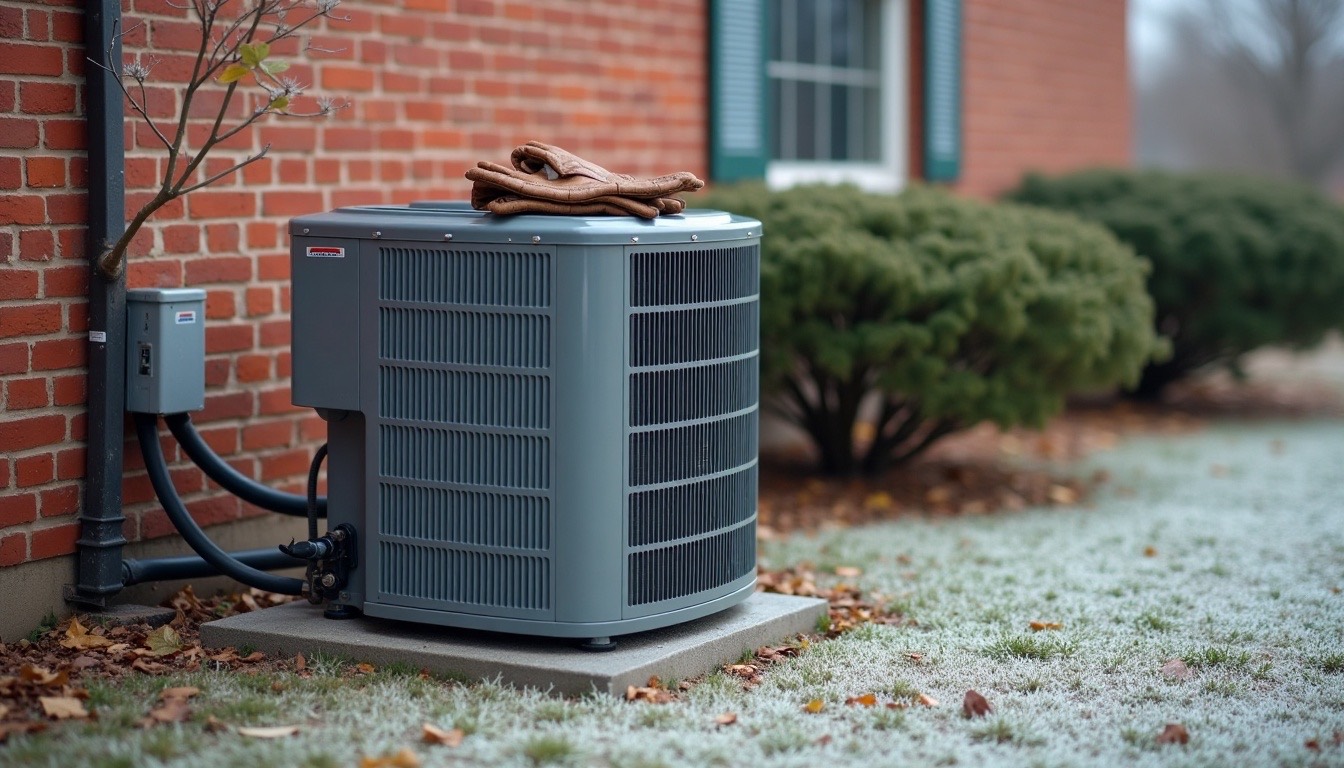
A heat pump in heating mode pulls heat out of cold outdoor air, and on damp winter mornings the outdoor coil frosts over. That is normal. Every so often the system flips into defrost for a few minutes, the fan stops, steam rolls off the unit, and the frost melts. People see the steam and think something is burning. It isn't.
What is not normal is a unit that turns into a solid block of ice and stays that way. Causes include a failed defrost board or sensor, a stuck reversing valve, low refrigerant, a fan motor that quit, or water from a gutter dripping straight onto the unit and refreezing. The rare hard freeze in Tuscaloosa County, the kind that comes a few times a winter, is when these show up, because the system needs defrost more often than it has all season.
Do not chip the ice off with anything sharp; the fins and tubing underneath are thin. Switch the thermostat to emergency heat so the house stays warm on the backup strips, and send us the form. We work Monday through Saturday, 7am to 6pm, and answer every message the same day. On a cold morning, tell us whether the fan on top is spinning and whether you can hear the compressor; that narrows it down before anyone arrives.
Aux heat and the power bill
Most heat pumps here have electric heat strips in the indoor air handler, called auxiliary or emergency heat. They kick in when the outdoor unit can't keep up on a cold morning or during defrost, and they draw far more power than the heat pump itself. A few hours a week is expected. Days of it is a problem.
If your thermostat shows aux heat on most of the time, or your winter power bill jumped without a cold snap to explain it, the heat pump is likely not carrying its share. That can be a failed compressor part, low charge, a thermostat set up wrong, or strips that are the only thing still working. We check which, and if the thermostat is staging the strips too early, that is a settings fix, not a parts bill.
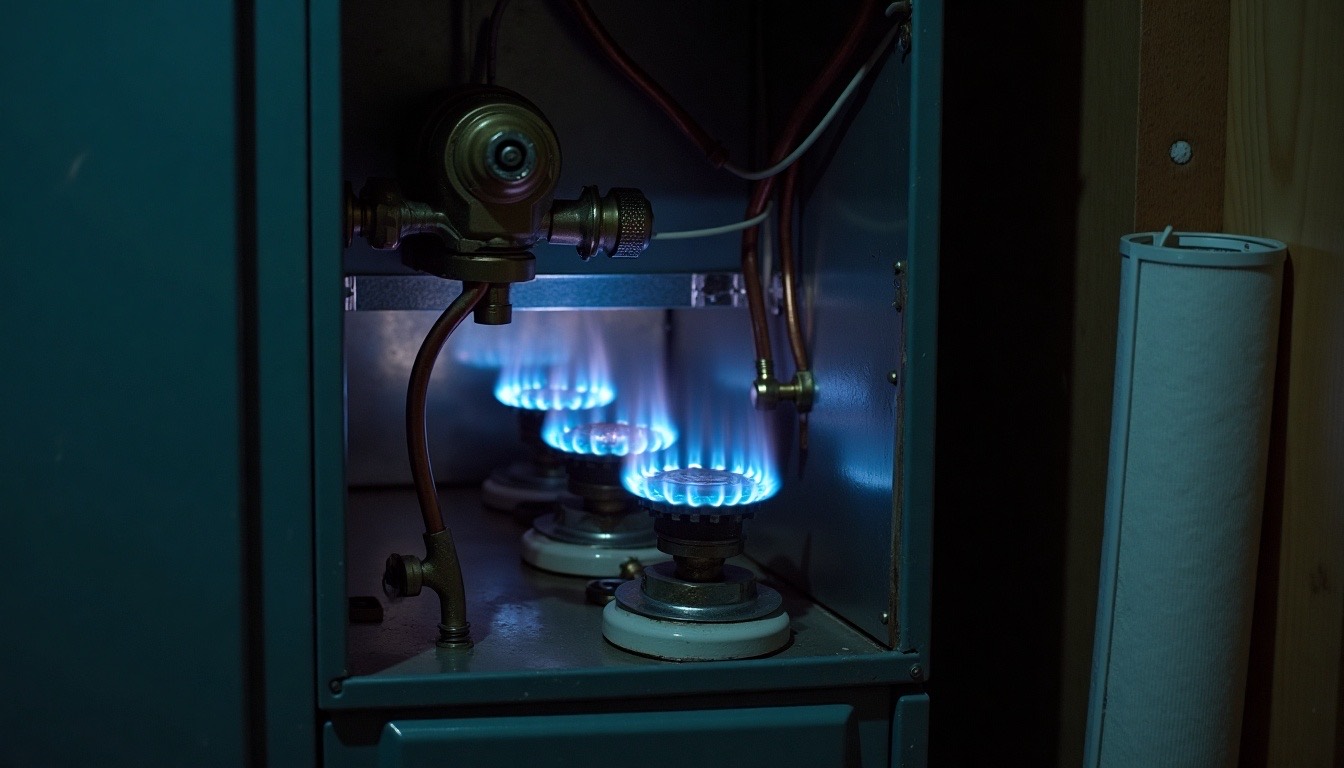
Some older houses in town have a gas line and run a dual-fuel setup, or skip the heat pump and keep a gas furnace under a straight air conditioner. If yours heats with gas, the repairs for homes that heat with gas look different, and so does the troubleshooting.
Mini splits
Ductless mini splits are heat pumps without the ductwork: one outdoor unit feeding one or more wall heads. We see them in bonus rooms, sunrooms, converted garages and shops. They share most of the failure points of a central heat pump, plus a few of their own.
Wall heads collect dust and mold on the blower wheel in humid summers and start to smell. Their small condensate drains clog and drip down the wall. Flare connections at the outdoor unit are a common leak spot. Communication errors between the head and the outdoor unit show up as blinking lights or error codes, and they are often wiring or a board, not refrigerant. Read us the blink pattern or code with the form if you can see one.
Mini splits also need their filters rinsed more often than people expect, usually every month or two in the cooling season. Those thin mesh screens behind the front panel clog with dust and pollen, the coil behind them gets dirty, and the head starts icing or blowing weak air. A quick rinse in the sink keeps a lot of service calls from happening at all.
Related
AC Installation and Replacement
SEER2 explained plainly, ducts checked, and a written price up front.